Almost every home develops ceiling cracks eventually. Most are cosmetic and easy to fix. A few are the building trying to tell you something. Knowing the difference saves you from both needless worry and dangerous complacency.
Usually harmless cracks
- Hairline cracks along the surface, often from paint or minor settling.
- Straight cracks following a drywall seam, where tape has loosened — a finishing issue, not a structural one.
- Spiderweb cracks in old plaster, common in heritage homes as the material ages.
Cracks worth investigating
- Wide cracks (more than a few millimetres) that you could fit a coin into.
- Cracks paired with sagging or a ceiling that bows downward.
- Cracks that run across the ceiling and continue down a wall.
- Cracks that keep returning after being patched, or that are visibly widening.
These patterns can point to structural movement, a load issue, or moisture weakening the ceiling — and they deserve a professional look before you simply fill them.
Why cracks come back
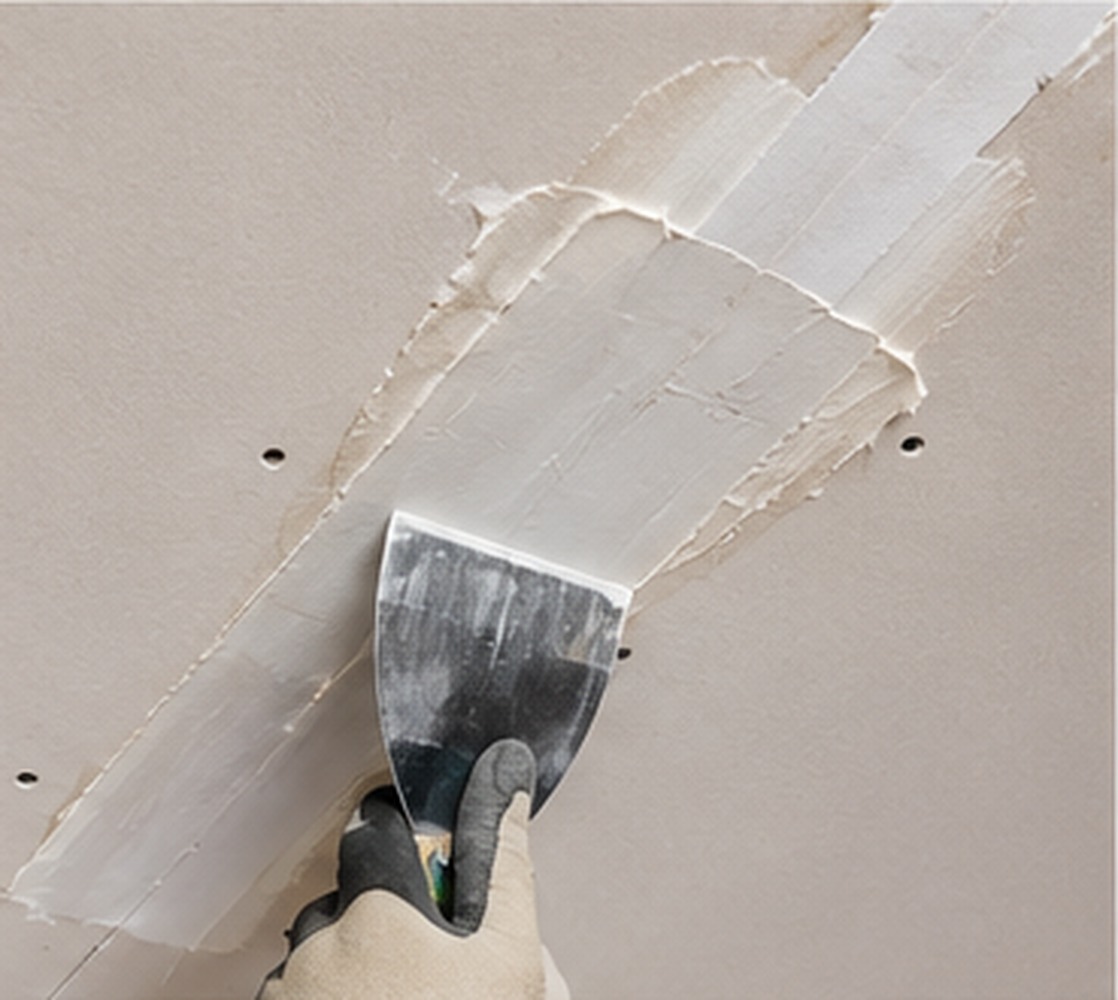
A patched crack reopens when the underlying movement continues or when the repair skipped proper taping. Filling a seam crack with caulk or spackle alone rarely holds; it needs to be re-taped, mudded, feathered and repainted so the repair flexes with the ceiling instead of cracking straight back through.
Seasonal movement in Canadian homes
Big swings between humid summers and dry, heated winters make framing expand and contract, which is why hairline cracks often appear or widen seasonally. That movement is normal — but if a crack is growing year over year rather than just opening and closing, have it assessed.
Key takeaways
- Hairline and seam cracks are usually cosmetic finishing issues.
- Wide cracks, sagging, or cracks running onto walls deserve a professional look.
- Cracks that keep returning point to ongoing movement or a skipped taping step.
- Seasonal humidity swings naturally open and close minor cracks in Canadian homes.
Frequently asked questions
When is a ceiling crack serious?
Be cautious with cracks wider than a few millimetres, cracks accompanied by sagging, or cracks that travel from the ceiling down a wall. Those can indicate structural movement and should be assessed.
Why does my ceiling crack keep coming back?
Either the underlying movement is continuing, or the repair was filled rather than properly re-taped. A lasting fix re-tapes and feathers the seam so it flexes with the ceiling.
Are cracks normal in new homes?
Some are. New homes settle in their first couple of years, and minor seam or hairline cracks are common. Widening or structural-pattern cracks are still worth checking.
Get this fixed by a vetted pro
Tell us about your ceiling and we'll match you with a local pro — free, in about a minute.
Get my free quote →