Most ceiling problems are cosmetic and patient. A sagging ceiling is neither. When drywall starts to bow downward, gravity is winning against whatever is holding it up — and that's worth understanding quickly.
What causes a ceiling to sag
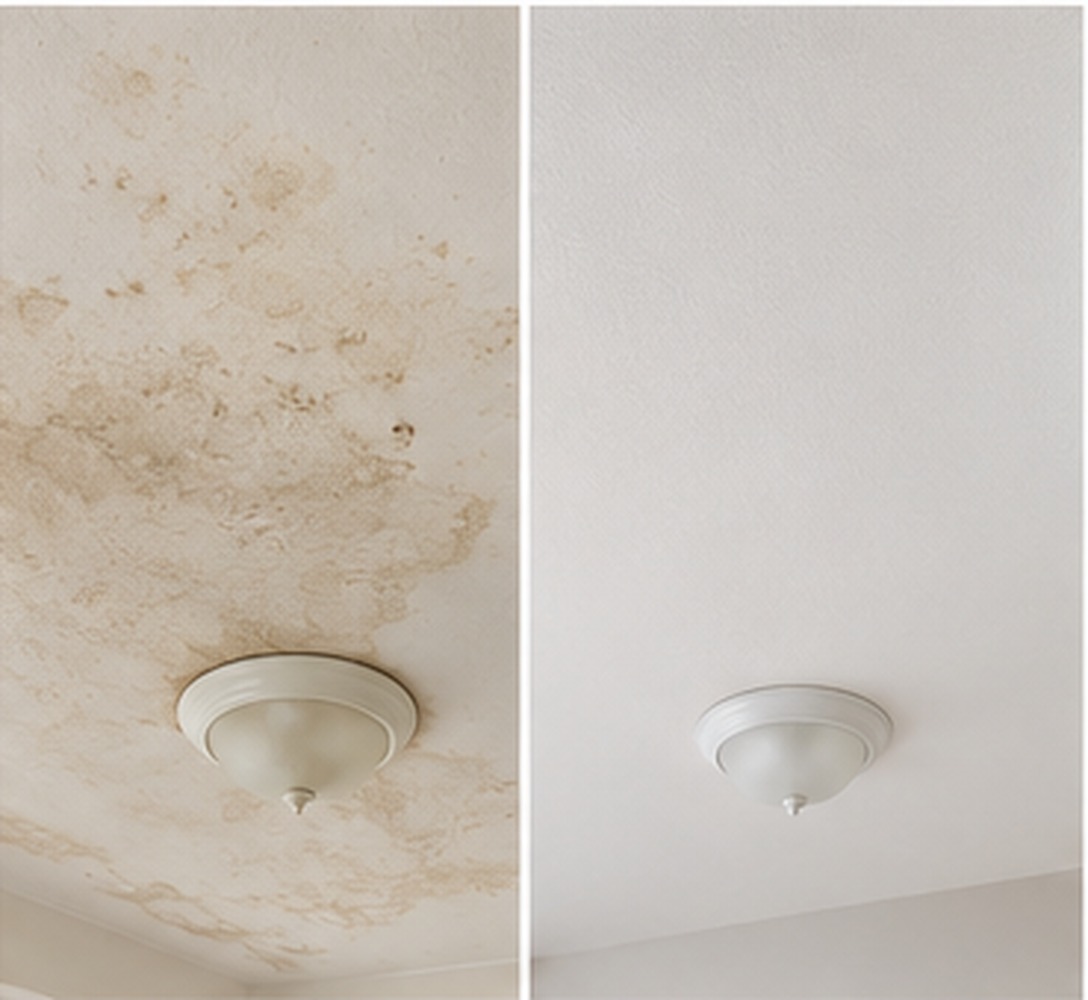
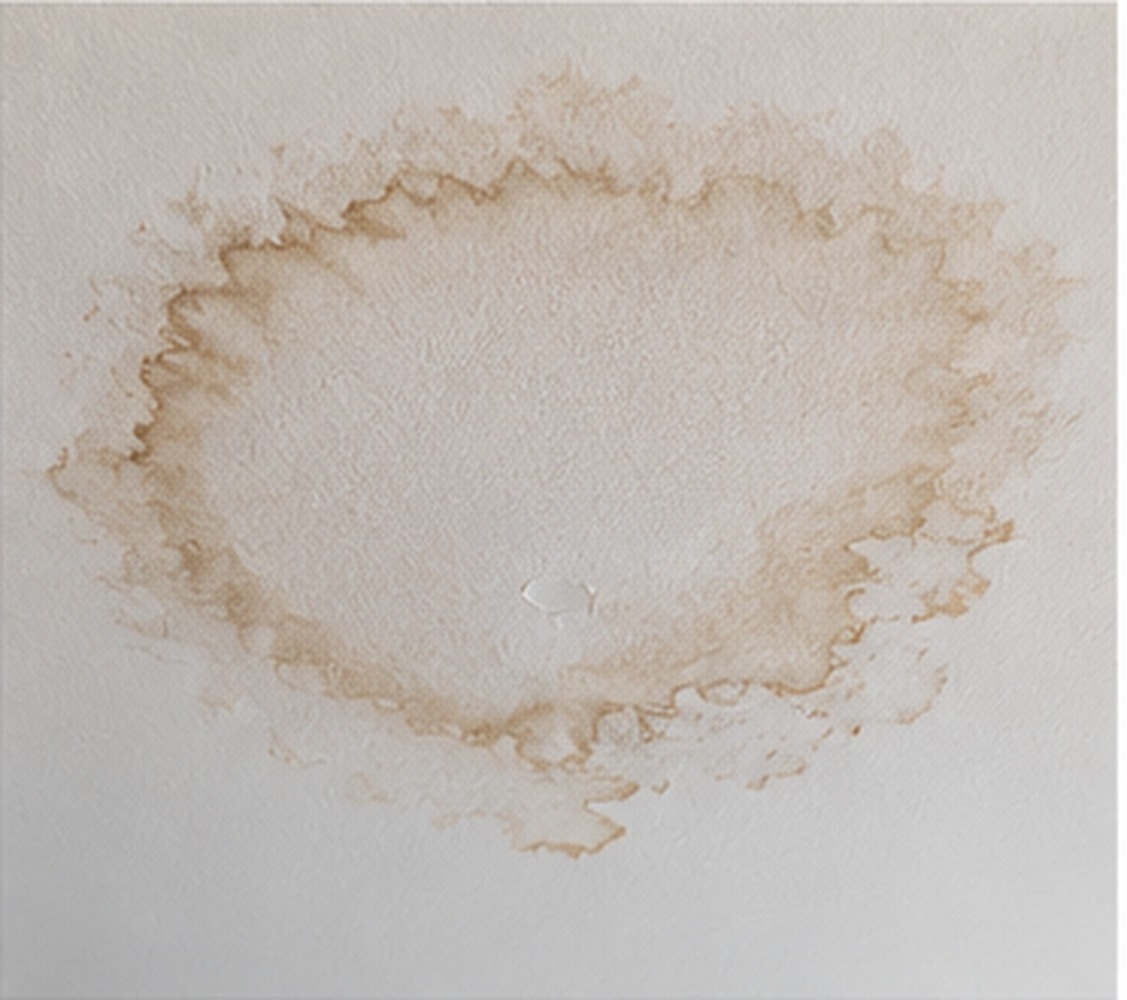
- Water damage — saturated drywall gets heavy and loses strength, the most common cause.
- Failed fasteners — screws or nails pulling through the board, sometimes from undersized fasteners or vibration.
- Adhesive or tape failure in older ceilings.
- Overloaded framing — insulation, stored items in an attic, or a structural issue above.
- Drywall that was hung too thin for the joist spacing, which can bow over time.
Why it's genuinely urgent
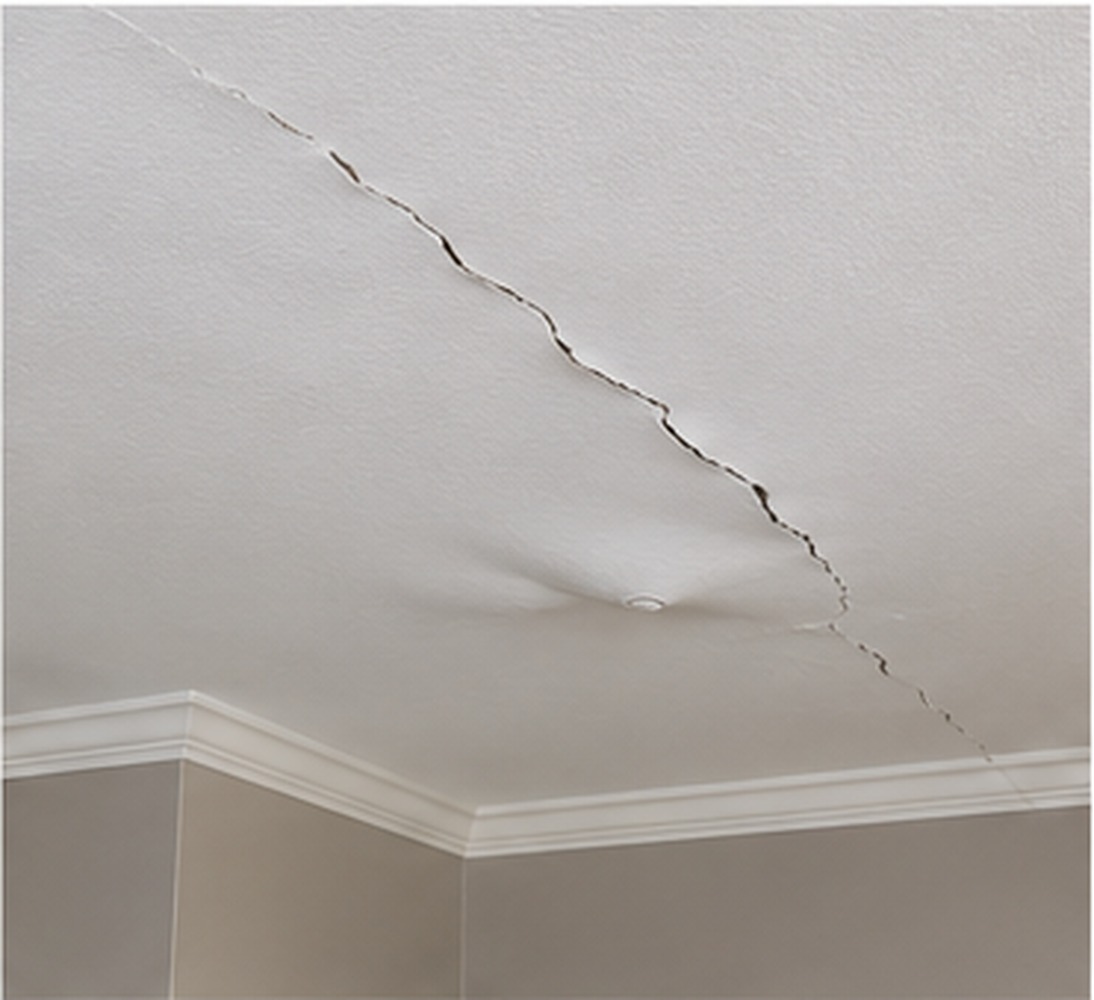
Unlike a stain or a hairline crack, a sagging ceiling can let go. A saturated section of drywall is heavy and can come down suddenly. If a ceiling is visibly bowing, spongy to the touch, or shedding bits of material, keep people out from underneath and get it looked at promptly.
How it's repaired
The fix depends on the cause. Water-related sagging means finding and stopping the source, removing the compromised board, drying the cavity and installing new drywall. Fastener failure may be addressed by re-securing or replacing the board with proper fasteners at correct spacing. A structural cause needs that underlying issue resolved first — patching the ceiling without fixing the load problem just delays a repeat.
Don't just screw it back up
It's tempting to push a sagging section up and add screws. But if water weakened the board or the framing is overloaded, that's a temporary illusion of a fix. The durable repair always addresses why it sagged, not just that it sagged.
Key takeaways
- Water damage is the most common cause of a sagging ceiling.
- A bowing, spongy or shedding ceiling is urgent and can fail suddenly.
- Stay out from underneath a clearly sagging ceiling until it's assessed.
- A lasting repair fixes the cause — water, fasteners or load — not just the sag.
Frequently asked questions
Is a sagging ceiling an emergency?
It can be. A ceiling that's visibly bowing, spongy, or dropping debris can collapse. Keep people clear of the area underneath and have it assessed promptly rather than waiting.
Can a sagging ceiling be fixed without replacing it?
Sometimes — if the board is sound and the cause is fastener failure, it may be re-secured. If water has weakened the drywall, that section generally needs to be replaced.
What's the most common cause of ceiling sag?
Water. Saturated drywall becomes heavy and loses strength, which is why sagging so often traces back to a leak above that needs to be found and stopped first.
Get this fixed by a vetted pro
Tell us about your ceiling and we'll match you with a local pro — free, in about a minute.
Get my free quote →